Cart
0
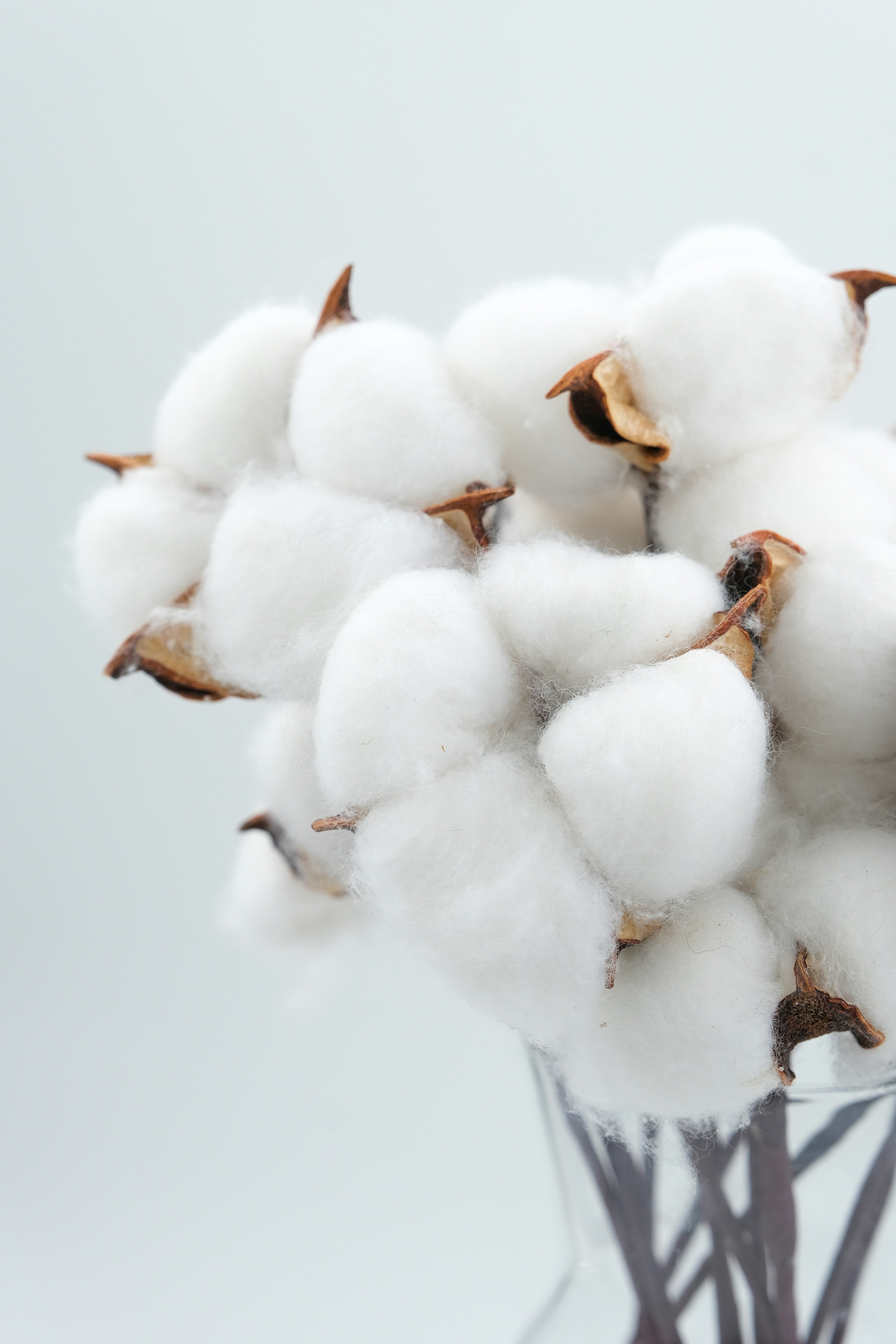
Cotton is one of the world's most widely used natural fibres, found in everything from T-shirts and underwear to bedding and towels.
But not all cotton is produced in the same way.
The two main types are organic cotton and conventional cotton, each with different farming practices, environmental impacts and certification standards.
Understanding these differences can help consumers make more informed choices when purchasing clothing.
What Is Conventional Cotton?
Conventional cotton is grown using standard agricultural methods that may include:
- Synthetic pesticides
- Chemical fertilisers
- Genetically modified (GM) seeds in some countries
- Intensive irrigation depending on the region
Conventional cotton accounts for the majority of global cotton production and plays an important role in supplying the fashion and textile industries.
Farming methods and environmental impacts can vary significantly between countries and individual producers.
What Is Organic Cotton?
Organic cotton is grown according to certified organic farming standards.
Although requirements vary by certification, organic farming generally prohibits:
- Synthetic pesticides
- Synthetic herbicides
- Synthetic fertilisers
- Genetically modified organisms (GMOs)
Instead, farmers rely on natural methods such as crop rotation, compost, and biological pest management to support healthy soils and ecosystems.
Key Differences Between Organic and Conventional Cotton
Farming Practices
Organic cotton uses natural farming techniques that focus on maintaining soil health and biodiversity.
Conventional cotton may rely on synthetic agricultural inputs to increase productivity and manage pests.
Chemical Use
One of the biggest differences is the use of synthetic chemicals.
Organic cotton standards prohibit most synthetic pesticides and fertilisers.
Conventional farming may use these products depending on local regulations and farming practices.
Soil Health
Organic farming often prioritises long-term soil fertility through natural crop management.
Healthy soils can improve water retention, reduce erosion, and support biodiversity over time.
Water Use
Water consumption depends on climate, farming methods, and irrigation systems.
Organic cotton is not automatically less water-intensive than conventional cotton, but healthy soils created through organic farming may improve moisture retention and reduce irrigation needs in some regions.
Biodiversity
Organic farms often encourage greater biodiversity by avoiding many synthetic pesticides and promoting more balanced ecosystems.
However, outcomes depend on local farming practices and environmental conditions.
Is Organic Cotton More Sustainable?
Organic cotton is often considered a more sustainable option because certified organic farming avoids many synthetic agricultural chemicals.
However, sustainability involves many additional factors, including:
- Manufacturing processes
- Energy sources
- Dyeing and finishing
- Transportation
- Product durability
- Consumer care habits
Choosing organic cotton is one important step, but it is only part of a product's overall environmental footprint.
Does Organic Cotton Feel Different?
The softness of cotton depends more on:
- Fibre quality
- Yarn spinning
- Fabric construction
- Finishing techniques
Organic cotton is not automatically softer than conventional cotton.
However, many premium organic cotton brands also invest in higher-quality fibres and manufacturing, which can improve comfort and durability.
Why Certifications Matter
Not every product labelled "organic" follows the same standards.
Independent certifications help verify farming and manufacturing practices.
One of the best-known certifications is GOTS (Global Organic Textile Standard), which covers not only organic fibre content but also environmental and social criteria throughout textile processing.
Which Cotton Is Better?
There is no single answer.
Conventional cotton continues to supply much of the world's textile industry and can be produced responsibly under certain farming systems.
Organic cotton offers an alternative farming approach that reduces reliance on many synthetic agricultural inputs while supporting certified production standards.
The best choice depends on the values and priorities that matter most to each consumer.
Organic Cotton at Pure Layers
At PureLayers, we believe that quality begins with carefully selected materials.
Our essentials are made using GOTS-certified organic cotton and manufactured entirely in Italy to combine comfort, durability, and greater supply chain transparency.
For us, choosing organic cotton is part of a broader commitment to creating products designed to last.
Frequently Asked Questions
Is organic cotton better than conventional cotton?
Organic cotton avoids many synthetic pesticides and fertilisers, but whether it is "better" depends on factors such as environmental priorities, product quality, and manufacturing practices.
Is organic cotton softer?
Not necessarily. Softness depends primarily on fibre quality, yarn construction, and fabric finishing rather than whether the cotton is organic.
Does organic cotton use less water?
Not always. Water use varies by climate and farming methods, although healthy organic soils may improve moisture retention in some growing regions.
Why choose GOTS-certified organic cotton?
GOTS certification helps verify that cotton meets recognised organic standards while also covering environmental and social requirements throughout textile processing.